Justice in Leadership: Leading with Courage and Conviction
December 1, 2025
Leading With Determination: Reclaim Your Focus in a World Competing for Your Attention
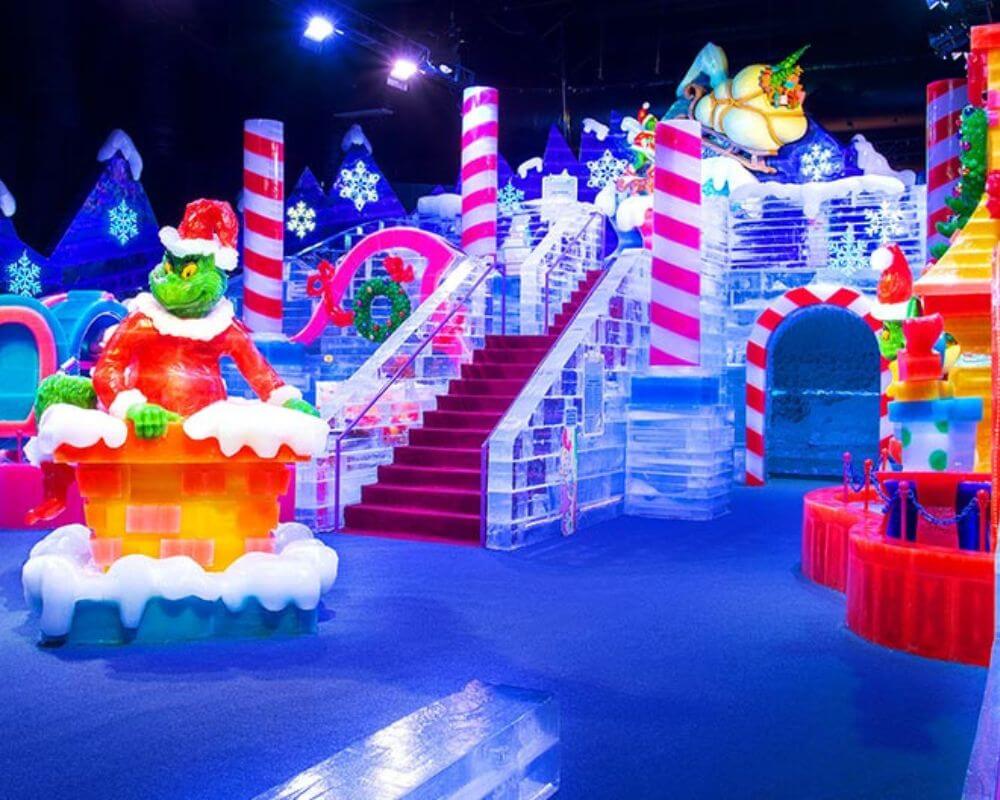
January 2, 2026Every winter, something remarkable happens inside Gaylord Palms. Guests walk through the doors expecting a holiday attraction and instead step into an entirely different world, one kept at a chilling nine degrees, carved from more than two million pounds of ice. Towering slides, glowing sculptures, intricate scenes, and larger-than-life characters surround them. Children race through the exhibit wide-eyed. Adults pause, wondering the same thing everyone asks:
How in the world did they build this?
What most people never see is that ICE! didn’t begin with ice at all. It began with imagination, leadership, and an intentional plan long before the first block was frozen. Months of preparation, collaboration, and purposeful decision-making turn a bold idea into a jaw-dropping reality.
And honestly, the more you look behind the scenes of ICE!, the more it begins to resemble something very familiar: education.
The transformation of a student, from kindergarten to graduation, from potential to purpose, doesn’t happen by accident. It doesn’t happen because of one great teacher, one excellent program, or one standout year. Like ICE!, it is carefully imagined, skillfully shaped, and sustained by a team that believes deeply in what’s possible.
When we slow down and study the process behind the spectacle, ICE! offers powerful leadership lessons for schools committed to guiding students toward their future.
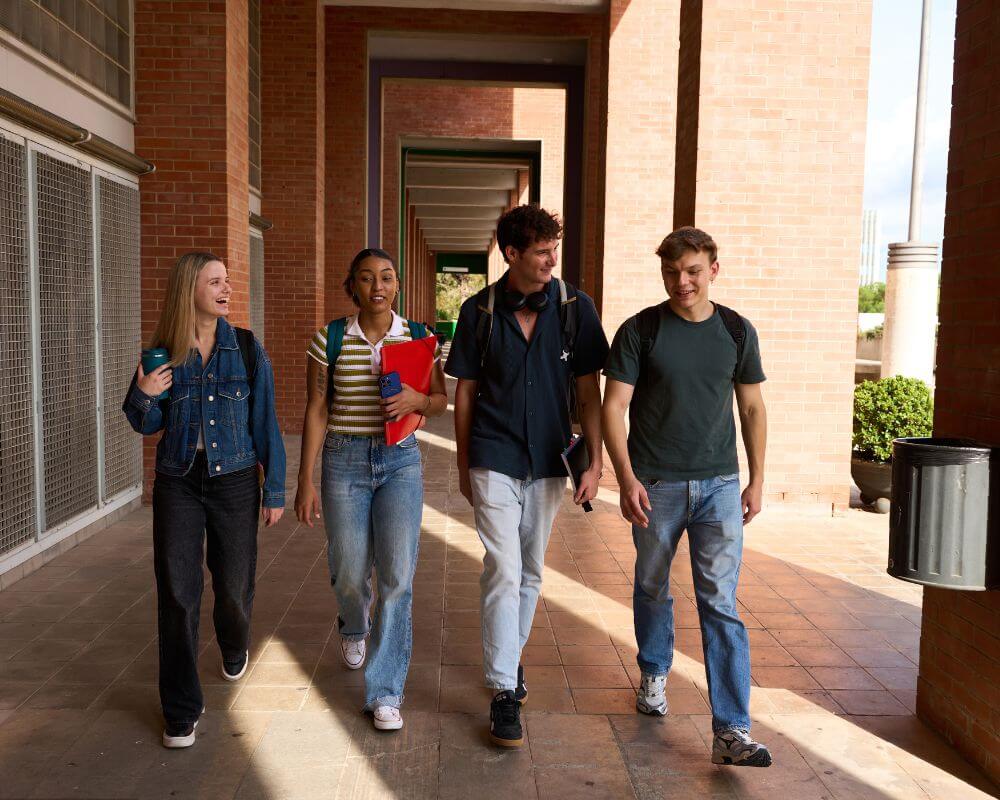
Every Masterpiece Begins Long Before the Audience Sees It
Planning for ICE! begins months before guests ever zip up a parka. In late spring, long before winter decorations appear, designers, engineers, and leaders gather to determine the theme. They explore storylines, sketch scenes, and imagine how guests will move through the space. They don’t start with ice; they start with vision.
That’s exactly how effective education should begin.
Before a single lesson is taught, before a device is issued, before initiatives or programs are launched, strong schools pause to ask essential questions that shape everything that follows:
- Who is the student we are intentionally shaping?
- What knowledge, skills, habits, and character traits will they need to thrive beyond graduation?
- What story do we want their educational experience to tell?
In education, this vision is often called the Portrait of a Graduate. It serves as the anchor point, much like the theme of ICE!, ensuring that every decision aligns with a shared destination. Without it, schools risk building impressive pieces that don’t quite connect. With it, every classroom, program, and experience contributes to a cohesive whole.
Great leadership understands that clarity at the beginning saves confusion later. You can’t carve with confidence if you don’t know what you’re creating.
Preparation Happens Long Before the “Carving” Starts
One of the most overlooked details of ICE! is how early the preparation truly begins. The ice itself is created months ahead of time. Clear blocks, colored blocks, and snow-like blocks are frozen slowly and intentionally, thousands of them. Each block must be strong, consistent, and reliable, because the quality of the final exhibit depends entirely on what’s beneath the surface.
In education, these ice blocks are the foundational elements we give students early in their journey:
- strong literacy and numeracy skills
- emotional safety and belonging
- curiosity and wonder
- confidence to try, fail, and try again
- trust in the adults guiding them
These foundations take time to form. They cannot be rushed, outsourced, or skipped without consequence. Just as weak ice compromises the entire structure, gaps in foundational learning can limit future growth.
Experienced educators understand this deeply. The most important work often happens long before progress is obvious. And strong leaders protect this time, even when pressure mounts to move faster or showcase results too soon.
The Right Team Matters: Every Sculptor Has a Purpose
To bring ICE! to life, Gaylord Palms brings in 40–50 master sculptors from Harbin, China, artists trained in one of the world’s most respected ice sculpture traditions. These artisans work in freezing temperatures for nearly a month, collaborating with precision, creativity, and care. Each sculptor has a role, but no one works in isolation. Education is no different.
Our “sculptors” are teachers, instructional coaches, counselors, administrators, and support staff. Each brings unique expertise to the process. Some shape academics. Others focus on social-emotional growth, spiritual formation, or career readiness. All are essential. No single educator creates a graduate alone.
A student’s growth is the result of collective effort, layered, refined, and reinforced over years. Strong leadership recognizes this and builds systems that encourage collaboration rather than competition. When teams are aligned around a shared vision, students benefit from consistency, care, and intentional growth at every stage. It truly takes a village to shape a graduate.
Shaping a Story, One Cut at a Time
The sculpting process at ICE! doesn’t begin with fine details. Sculptors start with chainsaws, making bold, rough cuts to define the overall structure. Only later do they switch to smaller tools, refining expressions, textures, and intricate features. Over time, characters emerge with clarity and personality. Students develop in much the same way.
In the early years, learning focuses on broad strokes:
- routines
- basic skills
- social development
- learning how to learn
As students grow, the work becomes more detailed:
- identity and purpose
- critical thinking
- resilience
- leadership and responsibility
Somewhere along the journey, the picture becomes clear. A child begins to understand who they are becoming.
Effective school leadership recognizes that different stages require different tools. Sometimes structure is needed. Sometimes coaching. Sometimes freedom to explore. Knowing when to shift tools, and trusting the process, is what allows students to grow into something truly remarkable.
A Masterpiece Built Under Real Constraints
The ICE! sculptors have just 30 days to complete the entire attraction. They work under intense time constraints, freezing temperatures, and constant pressure, yet year after year, they create something extraordinary. Schools know this reality well.
Educators shape lives within the constraints of academic calendars, testing windows, funding limitations, staffing challenges, and competing demands. But constraints don’t have to limit creativity. In fact, they often sharpen it.
Great leaders don’t wait for perfect conditions. They find ways to create beauty, meaning, and growth within the reality they’re given, season after season.
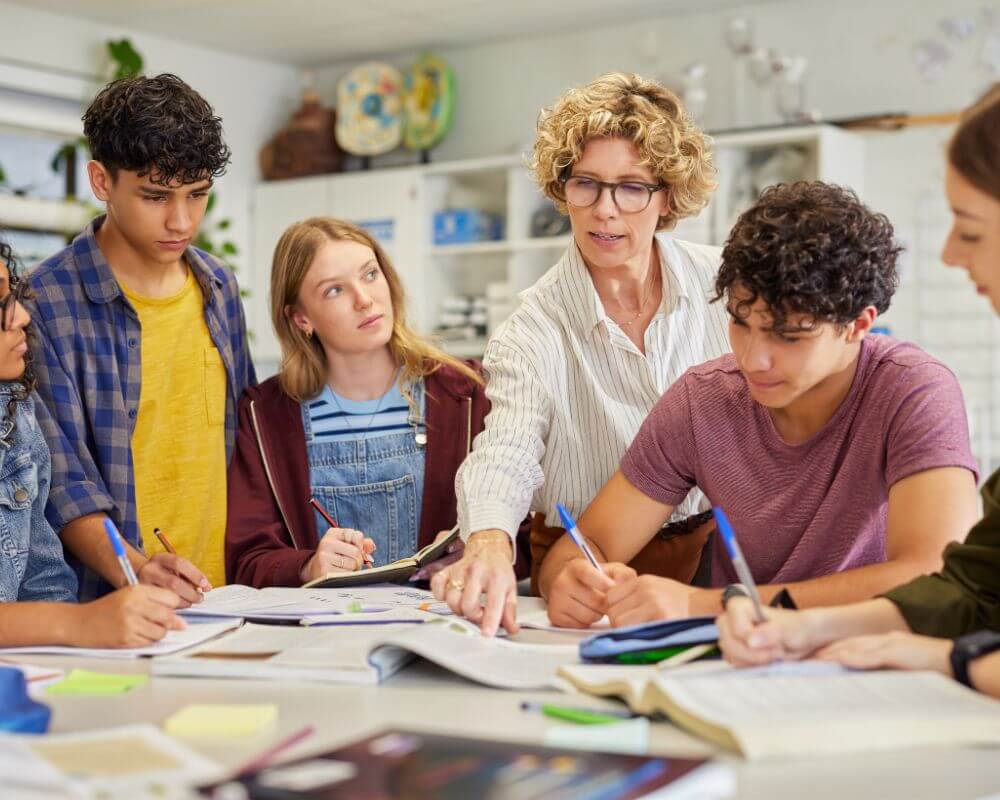
The Work Isn’t Done When the Doors Open
When ICE! officially opens to the public, it feels like the finish line. Guests flood in. Photos are taken. Memories are made. But behind the scenes, the work is far from over.
A dedicated maintenance team remains on site throughout the season. They monitor temperature, lighting, and structural integrity daily. They repair cracks, reinforce weak spots, and adjust conditions as needed. Without this ongoing care, the exhibit would quickly deteriorate. Education works the same way.
A student’s growth doesn’t follow a straight line, and it certainly doesn’t end with one successful year. Even when things appear to be going well, ongoing support is essential. Strong schools understand that maintaining the environment matters just as much as designing it.
Throughout a student’s journey, educators are constantly “maintaining the structure” by:
- nurturing a healthy school culture
- supporting mental and emotional well-being
- adjusting instruction to meet evolving needs
- strengthening relationships with students and families
This kind of leadership requires attentiveness and humility. It means recognizing that even the most beautifully designed system needs regular care. When leaders commit to maintenance, not just innovation, students experience stability, trust, and growth that lasts.
Graduation Is Not the Finish Line, It’s the Launch Point
For guests, ICE! is temporary. Eventually, the exhibit melts away, making room for the next season’s vision. Its purpose isn’t permanence; it’s impact.
Graduation is similar.
When a student walks across the stage to receive their diploma, it feels like the culmination of years of work, and in many ways, it is. But for educators, graduation is not an ending. It’s a launch point. The true measure of a school’s success isn’t just academic achievement at the moment of graduation. It’s whether graduates are equipped to navigate what comes next:
- college or career pathways
- relationships and responsibility
- ethical decision-making
- resilience in uncertainty
- purpose beyond themselves
This is where a clearly defined Portrait of a Graduate becomes critical. Without it, schools may celebrate completion without truly preparing students for life beyond the walls of the classroom. With it, every experience, academic, extracurricular, relational, points students toward long-term success.
Great leadership keeps the future in view, even while addressing the daily needs of the present.
Designing the Portrait of a Graduate With Intention
Behind ICE!, nothing is accidental. Every sculpture, color choice, and pathway is designed to support the story being told. The same level of intentionality is required when schools design their Portrait of a Graduate.
A strong Portrait of a Graduate is more than a poster on the wall or a line in a strategic plan. It is a living framework that answers one critical question: What kind of person do we want students to become as a result of their time here?
Effective portraits often include a balance of:
- academic competence
- critical thinking and problem-solving
- communication and collaboration
- character and integrity
- adaptability and lifelong learning
But the most effective portraits go beyond generic language. They reflect the values, mission, and community of the school itself. They provide clarity for teachers, consistency for students, and confidence for families.
When leadership teams engage staff, students, and stakeholders in this process, alignment deepens. Decisions become easier. Priorities become clearer. And the daily work of education gains purpose beyond test scores or short-term metrics.
Alignment Turns Vision Into Reality
One of the most impressive aspects of ICE! is how seamlessly everything fits together. The theme, sculptures, lighting, music, and guest flow all reinforce one another. That level of cohesion doesn’t happen by chance, it happens through alignment.
In schools, alignment is the bridge between vision and reality. When the Portrait of a Graduate is clearly defined, leaders can align:
- curriculum and instruction
- assessment practices
- professional development
- student support systems
- extracurricular and leadership opportunities
Without alignment, even good initiatives can pull in different directions. With alignment, every part of the organization reinforces the same message: This is who we are shaping you to become.
This kind of coherence doesn’t limit creativity, it amplifies it. Teachers gain freedom to innovate within a shared framework. Students experience consistency without rigidity. And families understand the purpose behind what their children are experiencing.
Leading Through Change and Uncertainty
Every year, ICE! is different. New themes. New designs. New challenges. The only constant is change.
Schools face similar realities. Shifting standards, evolving student needs, emerging technologies, and societal pressures demand adaptability. The strongest leaders aren’t those who cling to old models, but those who can guide their communities through change without losing sight of core values.
A well-defined Portrait of a Graduate provides stability during uncertainty. It becomes a north star, helping leaders evaluate which changes align with their mission and which distractions can be set aside.
In times of transition, this clarity matters more than ever.
From Ice Blocks to Graduates: The Leadership Lesson
When you watch a child receive their diploma, you are witnessing the end result of years of intentional planning, skilled craftsmanship, collaboration, and belief. Just like ICE!, the journey from concept to reality is breathtaking when you understand what went into it.
Great schools don’t rely on hope or chance. They design the process.
They imagine the outcome before the work begins.
They invest in foundations that take time to form.
They empower skilled professionals to shape with care.
They maintain the environment long after the doors open.
And they launch students into the world with confidence and purpose.
That is leadership at its finest.

Common Pitfalls That Undermine Even the Best Intentions
Even the most beautifully designed ice sculpture can crack if the environment isn’t right. The same is true in schools. Many organizations have good intentions, strong educators, and passionate leadership, yet still struggle to see long-term impact because of a few common missteps.
One of the most frequent pitfalls is confusing activity with alignment. Schools often implement new programs, tools, or initiatives without first asking whether they truly support the Portrait of a Graduate. Over time, this creates fragmentation. Teachers feel overwhelmed. Students feel pulled in different directions. The original vision becomes diluted.
Another challenge is treating the Portrait of a Graduate as a static document. When it lives only on a website or in a strategic plan, it loses its power. Effective portraits are revisited, referenced, and refined. They show up in classrooms, conversations, professional development, and decision-making.
Finally, some schools underestimate the importance of shared ownership. A Portrait of a Graduate cannot be created in isolation by leadership alone. When teachers, students, and families are invited into the process, buy-in grows, and so does impact. Just like ICE!, the result is stronger when everyone understands the story being told.
Avoiding these pitfalls requires intentional leadership, honest reflection, and a willingness to slow down in order to move forward with clarity.
Practical Steps to Strengthen Your Portrait of a Graduate
If your school is ready to move from concept to reality, here are several practical steps to guide the process.
1. Start With Listening
Before refining language or frameworks, listen to your community. Ask educators what they believe students need most. Ask students what they hope to become. Ask families what they value. These insights create a foundation rooted in reality, not assumption.
2. Clarify the End Before the Means
Resist the urge to jump immediately to programs or strategies. First, define who the graduate should be. Once the destination is clear, the path becomes easier to design.
3. Align Systems Intentionally
Use the Portrait of a Graduate as a lens for evaluating curriculum, assessments, professional development, and student supports. If something doesn’t align, ask why, and whether it still belongs.
4. Communicate Consistently
Repetition builds clarity. Use shared language across grade levels and departments. Reference the portrait in meetings, classrooms, and celebrations. Over time, it becomes part of the culture.
5. Revisit and Refine
Just as ICE! evolves each year, so should your Portrait of a Graduate. Regular reflection ensures it remains relevant, aspirational, and responsive to the needs of your students.
Why This Work Matters Now More Than Ever
Today’s students are entering a world defined by rapid change, complexity, and uncertainty. Academic knowledge alone is no longer enough. They need resilience, adaptability, ethical grounding, and a sense of purpose.
Schools that intentionally design for these outcomes don’t just prepare students for the next step, they prepare them for life.
Leadership in education is no longer about maintaining systems; it’s about shaping futures. And that work demands clarity, collaboration, and courage.
From Vision to Impact: Moving Forward With Purpose
When guests walk through ICE! at Gaylord Palms, they experience wonder. But when leaders walk behind the scenes, they see something deeper: a masterclass in intentional design, teamwork, and follow-through.
The same principles apply to education.
From the first idea to the final outcome, guiding students toward their future requires more than good intentions. It requires vision, preparation, alignment, and care, every step of the way.
If your school or organization is ready to create, refine, or realign your Portrait of a Graduate, you don’t have to do it alone. With the right guidance, collaboration, and purpose, you can design an educational experience that transforms potential into reality.
Because great schools don’t just hope graduates turn out well.
They design the process that gets them there.