
The Greatest Threat to Christian Education Isn’t Money, It’s Leadership
October 27, 2025
Decision Making and How I Think: Wisdom in the Age of AI
November 15, 2025Leadership can be an exhilarating yet solitary journey. Whether you lead a school, a nonprofit, a business, or your family, true strength comes not from strategy or skill but from God’s presence. Like Moses, every leader eventually reaches the moment of asking, “Lord, how am I supposed to lead these people?”
Every leader, no matter how gifted or experienced, reaches a point where their human wisdom feels insufficient. In those moments, we discover what Moses learned in the wilderness: leadership without God’s presence is direction without destination.
Exodus 33:7–17 offers a glimpse into the heart of one of Scripture’s greatest leaders. Moses was tasked with guiding the Israelites out of Egypt and toward the Promised Land, a people who were fearful, rebellious, and often ungrateful. Yet, Moses understood that more than strategy, structure, or strength, he needed something far greater: God’s abiding presence.
It’s easy to admire Moses for his courage before Pharaoh or his endurance through decades of wandering. But the real power of his leadership wasn’t in his public victories, it was in his private encounters. Before he faced the people, he faced God.
In the wilderness, he set up a small, sacred space where heaven and earth met: the Tent of Meeting. From that place flowed direction, peace, and divine authority. There, in solitude, the presence of God shaped the heart of a leader.
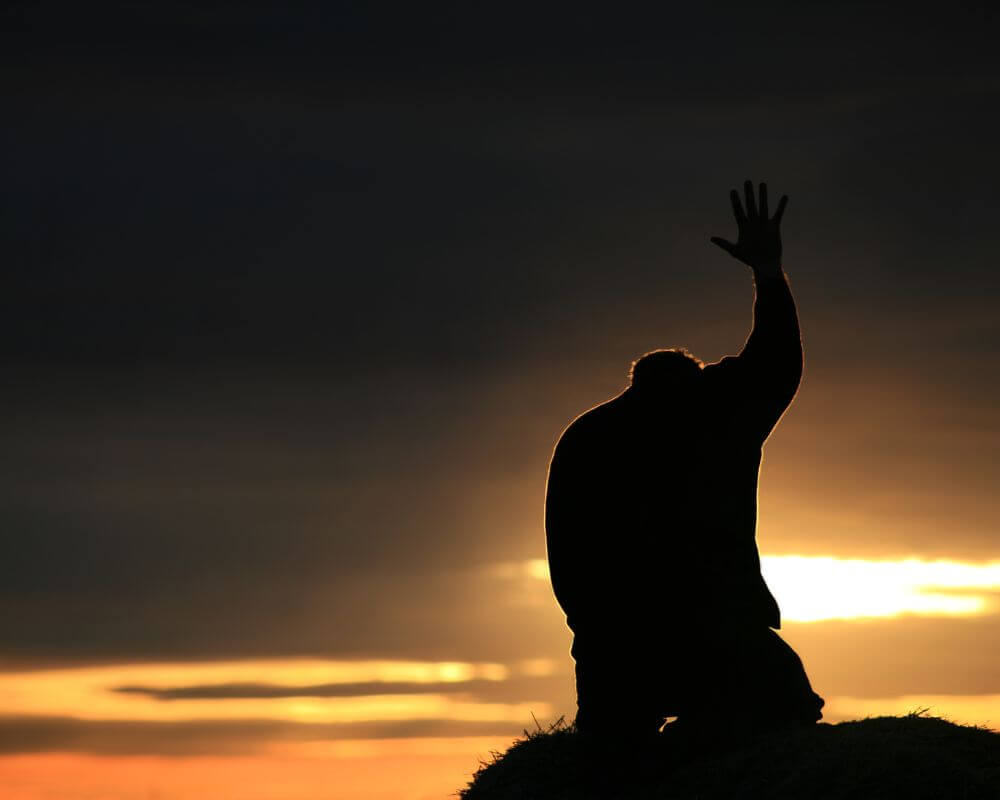
1. Great Leaders Cultivate Sacred Space
“Now Moses took a tent and pitched it outside the camp, at a distance from the camp; he called it the tent of meeting.”
(Exodus 33:7)
Moses intentionally stepped away from the noise and distractions of daily life to meet with God. He recognized that leadership demands clarity, and true clarity originates not from a boardroom or brainstorming session, but from the presence of God Himself.
For contemporary leaders, this “tent of meeting” might look different. It could be a quiet morning walk, a worn leather chair with coffee and a Bible, or an intentional pause in the middle of a busy office. The essential element isn’t the location, it’s the intentionality.
Leaders often crave productivity, but spiritual leadership requires proximity, not to people first, but to God. When we step away to seek Him, we exchange our limited understanding for divine wisdom.
Leadership strength emerges from solitude with God. Without it, decisions are made in reaction to chaos rather than revelation. The noise of meetings, emails, and expectations can drown out the still, small voice that brings true direction.
Moses didn’t stumble into God’s presence; he made space for it. He understood that leadership is sustained not by adrenaline but by abiding. His strength wasn’t the result of charisma, it was communion.
In the New Testament, Paul declares:
“Do you not know that you are God’s temple and that God’s Spirit dwells in you?”
(1 Corinthians 3:16)
This truth shifts everything. Leaders today don’t have to pitch a tent outside the camp to hear from God. Through Christ, the Holy Spirit dwells within every believer, guiding, comforting, and empowering us to lead with confidence.
- Moses experienced God face-to-face in the tent.
- We experience God Spirit-to-spirit in daily communion.
That means the same divine presence that empowered Moses to lead a nation now empowers you to lead your team, your ministry, your family, or your classroom. To lead well, you must learn to dwell well.

2. Leadership Demands God’s Presence, Not Just Strategy
Moses openly admitted his uncertainty:
“You have told me, ‘Lead this people up,’ but you have not let me know whom you will send with me.”
(Exodus 33:12)
This wasn’t a complaint, it was a confession. Moses knew that leadership without presence would lead to burnout, frustration, and eventual collapse. So he prayed honestly, asking God for assurance.
God responded with a profound promise:
“My presence will go with you, and I will give you rest.”
(Exodus 33:14)
Those two promises, presence and rest, remain the foundation for godly leadership today. Presence fuels purpose; rest sustains it.
Moses’ reply was bold, even audacious:
“If Your presence does not go, don’t make us go up from here.”
(Exodus 33:15)
In other words, Moses declared, “We’d rather stay in the desert with You than enter the Promised Land without You.” That statement defines the heart of every great spiritual leader.
In the New Testament, Jesus embodies that same divine presence:
- “The Word became flesh and dwelt among us.” (John 1:14)
- “And surely I am with you always, to the very end of the age.” (Matthew 28:20)
For Christian leaders, this means God’s presence isn’t conditional, it’s continual. Moses longed for God to walk with Israel; Jesus promises His Spirit will dwell within us.
This truth should reshape how we view leadership success. Moses didn’t base Israel’s future on statistics, resources, or human loyalty; he anchored it in God’s presence.

Today’s leaders often lean on vision statements, budgets, or branding. Those tools have value, but they’re hollow without the presence of God. Strategy without surrender leads to spiritual exhaustion. The best vision is powerless without divine direction.
It’s not innovation that sets God’s people apart; it’s intimacy.
“I and Your people will be distinguished by this from all the other people on the face of the earth.”
(Exodus 33:16)
Moses was saying, “What makes us different isn’t our plan, it’s Your presence.”
Jesus echoed this principle for every believer:
- “By this everyone will know that you are My disciples, if you love one another.” (John 13:35)
- “But you are a chosen people, a royal priesthood, a holy nation… that you may declare the praises of Him who called you out of darkness into His wonderful light.” (1 Peter 2:9)
The mark of God’s people today isn’t a visible cloud or fire, it’s the invisible presence of Christ displayed through love, humility, and Spirit-empowered leadership.
When leaders choose presence over pressure, they become conduits of peace in anxious environments. They lead with calm confidence because they’re anchored in something deeper than results.
Leadership grounded in God’s presence creates teams marked by faith, not fear; by courage, not control. And in a world obsessed with performance, that kind of leadership stands out as profoundly countercultural, and profoundly Christlike.
3. God Affirms His Leaders with Favor
“You have found favor with Me, and I know you by name.”
(Exodus 33:17)
Those words must have brought deep reassurance to Moses. The wilderness was filled with complaints, betrayals, and leadership fatigue. Yet God’s voice pierced through the noise with affirmation: You have My favor. I know you personally.
Why does God repeat this message? Because leaders need constant reminders of His approval. Leadership often feels like a spotlight with no shade, every decision questioned, every mistake magnified. God’s affirmation centers the leader’s heart again.
Favor doesn’t flow from flawless performance; it flows from faithful relationship. Moses didn’t earn God’s favor by perfection, he received it through proximity.
In the New Testament, that same favor becomes our inheritance:
- “For the law was given through Moses; grace and truth came through Jesus Christ.” (John 1:17)
- “See what kind of love the Father has given us, that we should be called children of God; and so we are.” (1 John 3:1)
Moses sought favor through obedience to the covenant law. We walk in favor through sonship in Christ.
That’s why modern Christian leaders can stand firm even when outcomes fall short. God’s favor isn’t measured by how many people follow you, but by your willingness to follow Him.
When self-doubt creeps in, return to this truth:
God knows you by name. His favor rests upon you, and His grace equips you to lead.

Application for Today’s Leaders
Moses’ encounter with God in the Tent of Meeting gives every leader a model for how to lead with courage, humility, and divine dependence. His story reveals that spiritual leadership isn’t about charisma or control, it’s about closeness. It’s not the crowd that defines a leader’s success, but the cloud of God’s presence that covers them.
In Exodus 33, Moses models four disciplines that remain essential for any leader who desires to lead with God’s presence.
1. Seek God First, Before Strategy, Before Success
Before Moses issued commands or developed plans, he sought God’s voice. In the modern world of leadership, it’s easy to start with planning sessions, vision boards, and quarterly goals. Yet, the pattern God gives us through Moses is strikingly simple: seek first, lead second.
When a leader begins with prayer, strategy becomes revelation rather than speculation. It’s no longer “What should I do next?” but “Lord, what are You doing, and how can I join You?”
For example, consider a school principal facing declining enrollment. The temptation might be to invest in new marketing, increase events, or launch new programs. Those may all be valuable actions, but they’re secondary to seeking God’s direction. The principal who pauses to pray and wait on the Lord may receive a whisper of insight, a relationship to restore, a team culture to shift, or an act of humility that opens unseen doors.
Jesus lived this rhythm perfectly. Before He chose His twelve disciples, He spent an entire night in prayer (Luke 6:12). Before He faced the cross, He withdrew to the Garden of Gethsemane to commune with the Father (Matthew 26:36–46).
If the Son of God needed stillness with the Father before major decisions, how much more do we?
Seeking God first realigns our priorities. It reminds us that leadership isn’t about steering outcomes, it’s about stewarding obedience. When we make prayer the foundation of leadership, peace begins to replace pressure.

2. Lead with Dependency, Not Self-Sufficiency
Moses’ prayer, “If Your presence does not go with us, do not send us up from here,” should be the anthem of every Christian leader today. It’s a declaration of total dependency. It says, “I refuse to move without You.”
This prayer is dangerous because it forces us to slow down. It humbles us to admit that no amount of competence or confidence can replace the need for divine direction.
Modern leadership often celebrates independence, being decisive, assertive, or visionary. Yet, in the kingdom of God, strength flows from surrender. Dependence is not weakness; it’s wisdom.
A superintendent once confessed, “I used to pray for God to bless my plans. Now I ask Him to show me His plan, and bless my obedience instead.” That subtle shift defines the difference between anxious leadership and anointed leadership.
When you lead with dependency, you allow space for God to surprise you. Like the Israelites following the pillar of cloud, you learn to trust that God’s timing and movement are perfect, even when they seem inconvenient.
Moses didn’t know where the cloud would lead next, but he knew Who was leading it. That’s faith. And it’s that faith that transforms leadership from a heavy burden into a holy calling.
3. Embrace God’s Affirmation, Not the World’s Applause
Leadership can be lonely. The higher you climb, the fewer people there are who truly understand the weight you carry. Criticism increases, expectations multiply, and sometimes affirmation disappears altogether.
That’s why God reminded Moses twice, “You have found favor with Me.” He didn’t tell Moses, “You’re leading well,” or “The people are happy with you.” God’s encouragement was relational, not performance-based: “You have My favor, and I know you by name.”
The same is true for every Christian leader today. Your value is not measured by metrics, it’s measured by belonging. God’s affirmation carries more weight than any earthly approval.
Paul echoes this truth in Galatians 1:10:
“Am I now seeking the approval of man, or of God? If I were still trying to please man, I would not be a servant of Christ.”
When you embrace God’s affirmation, criticism loses its sting and comparison loses its grip. You begin to lead from rest rather than from striving.
This doesn’t mean feedback doesn’t matter; it means your identity no longer depends on it. The leader who knows they are loved by God can love others freely, even those who oppose them.
So when you feel unseen, unappreciated, or misunderstood, remember: the God who called you sees you. He knows your name. He has placed His favor upon you, not because you’ve earned it, but because you’re His.

4. Let Presence Define Success
In Exodus 33:16, Moses made an astounding statement:
“What else will distinguish me and Your people from all the other people on the face of the earth?”
He didn’t ask for military strength, political influence, or visible success. He asked for something invisible but undeniable, the presence of God.
Presence-driven leadership is radically different from performance-driven leadership. It measures success not by applause or advancement but by alignment with God’s will.
When leaders operate from God’s presence, something changes in the atmosphere around them. Meetings become moments of ministry. Strategy sessions become sacred ground. Difficult conversations are softened by grace.
Think about the leaders who have impacted you most deeply. Chances are, it wasn’t their title, intelligence, or eloquence that left a mark, it was the sense that they had been with God. You felt peace in their presence because they carried His.
In Acts 4:13, when the religious leaders saw Peter and John, they “took note that these men had been with Jesus.” That is the legacy of presence-driven leadership.
Let presence define your success. Let intimacy define your identity. When people encounter you, may they sense something holy, peaceful, and powerful, not because of your talent, but because of your time spent with the Lord.
Practical Rhythms for Modern Leaders
Moses’ Tent of Meeting offers a template for building sacred rhythms in modern leadership life. You don’t need a literal tent, you need intentional moments of encounter. Here are a few ways to build them:
- Begin the Day in His Presence: Before your inbox or meetings, take time to pray, read Scripture, and invite the Holy Spirit to lead your day.
- Create Micro-Moments of Stillness: Pause before major decisions, breathe, and whisper, “Lord, guide me.” Those brief pauses re-center you in His presence.
- Journal Your Encounters: Moses recorded God’s instructions; you can record God’s impressions. Writing helps you recognize patterns of His faithfulness.
- Invite God into the Mundane: Whether you’re reviewing a budget or leading a staff meeting, ask, “How can I honor You here?” God transforms ordinary moments into holy ground.
- End the Day in Reflection: Review your day with gratitude. Where did you sense God’s presence? Where did you rely on your own strength? This habit keeps your heart humble and aware.
Leadership that starts and ends in God’s presence becomes more than a role, it becomes an act of worship.

Why This Matters Now
Our culture is flooded with leadership books, podcasts, and strategies. Yet burnout among pastors, administrators, and executives continues to rise. Why? Because many are leading for God without pausing to lead with God.
Moses reminds us that spiritual leadership cannot be sustained by talent alone. The Tent of Meeting must precede the task of ministry. Presence must precede performance.
When leaders lose touch with presence, leadership becomes mechanical. But when they lead from God’s presence, leadership becomes miraculous.
Your staff doesn’t just need another meeting, they need a leader who carries peace. Your students don’t just need instruction, they need inspiration. Your family doesn’t just need provision, they need presence.
And it all begins where Moses began: stepping outside the camp, turning aside from the noise, and saying, “Lord, if You don’t go with me, I’m not going.”
The Presence That Changes Everything
Moses demonstrates that leadership is not primarily about skill, charisma, or grand vision, it is fundamentally about proximity to God. He refused to move without God’s presence, and neither should we. The greatest temptation in modern leadership is to substitute God’s presence for good programs, polished communication, and efficient systems. But efficiency without encounter leads to exhaustion.
When Moses walked out of the Tent of Meeting, Scripture says, “his face was radiant because he had spoken with the Lord” (Exodus 34:29). People could literally see the evidence of God’s presence reflected in him. Today, the same is true for Spirit-filled leaders. When you dwell in the presence of God, you begin to reflect His peace, His wisdom, and His love, and those around you take notice.
Presence transforms everything. It turns anxiety into authority. It turns confusion into clarity. It turns striving into surrender.
The mark of great Christian leadership isn’t the size of the platform but the depth of the prayer life. It’s not how loudly you speak to people, but how often you listen to God. Leaders who dwell in God’s presence don’t just make better decisions, they build healthier cultures. They carry peace into chaos and humility into power.

When Leadership Feels Like the Wilderness
Let’s be honest, every leader faces wilderness seasons. There are moments when your prayers feel unanswered, your team feels weary, and your vision feels unclear. Moses knew those moments too. He heard the complaints of the Israelites day after day. He faced betrayal, rebellion, and fatigue. And yet, in every season of wilderness, he returned to the same place, the Tent of Meeting.
If you are walking through a wilderness right now, take heart. The wilderness is not a sign of God’s absence, it is the place where His presence becomes most precious. The desert is where dependence deepens. The silence is where sensitivity to God’s voice grows stronger.
God never promised leaders an easy journey, but He did promise His constant companionship. “My presence will go with you, and I will give you rest.” (Exodus 33:14) Those two promises still stand. His presence provides direction; His rest provides endurance.
The same God who met Moses in the Tent of Meeting will meet you in your office, in your classroom, in your car, or in your living room. His presence is not confined to a tent, it’s alive in you.
From the Tent to the Table
In the Old Testament, Moses met God in a tent. In the New Testament, Jesus invites us to meet Him at a table. The Tent of Meeting was exclusive; the Table of Grace is inclusive. Moses could only go so far, but because of Christ, we have unlimited access to the presence of God.
“Let us then approach God’s throne of grace with confidence, so that we may receive mercy and find grace to help us in our time of need.”
(Hebrews 4:16)
That means your “tent of meeting” can exist anywhere you choose to make space for Him, on your commute, during your morning walk, or even while leading a difficult conversation. God’s presence doesn’t require perfection; it requires permission.
When leaders create space for His presence, they lead from abundance, not emptiness. They speak from conviction, not exhaustion. They operate from calling, not competition.

A Final Charge to Leaders
Moses’ story is not merely a history lesson, it’s a divine invitation. God is still seeking leaders who value His presence more than their platform, who would rather pause in His glory than rush toward their goals.
So, as you lead in your church, your organization, or your home, let this be your declaration:
- Seek God First. Let prayer precede every plan.
- Lead with Dependency. Refuse to move without Him.
- Embrace His Affirmation. Let His favor silence your fear.
- Let Presence Define Success. Measure victory by obedience, not applause.
When you lead with God’s presence, you will notice something extraordinary, you’ll stop trying to carry people and start walking with them. You’ll stop trying to control outcomes and start trusting God’s timing. You’ll stop striving for approval and start leading from peace.
Leadership begins to feel less like pressure and more like partnership. And just as Moses stood in awe of God’s glory, so will you. Because the true reward of leadership is not the Promised Land, it’s the presence of the One who walks with you all the way there.
Leadership Takeaway
The presence of God is the leader’s greatest asset. Programs may inspire people. Charisma may attract them. But only the presence of God can transform them, and transform you.
As you step into your next meeting, sermon, decision, or challenge, remember this truth: You don’t lead for God; you lead from Him. His Spirit dwells within you. His favor rests upon you. And His presence will go with you, and give you rest.
“The Lord replied, ‘My Presence will go with you, and I will give you rest.’”
(Exodus 33:14)
May you lead from that rest. May your leadership shine with His light. And may your legacy echo this truth: that the greatest leaders are not those who move crowds, but those who move only when God moves.